
The Only Thing We Know Is What We Test
Oct 02, 2026Adam Singer built an MMA gym around one rule -
if you modify the resistance, it isn't sparring anymore.
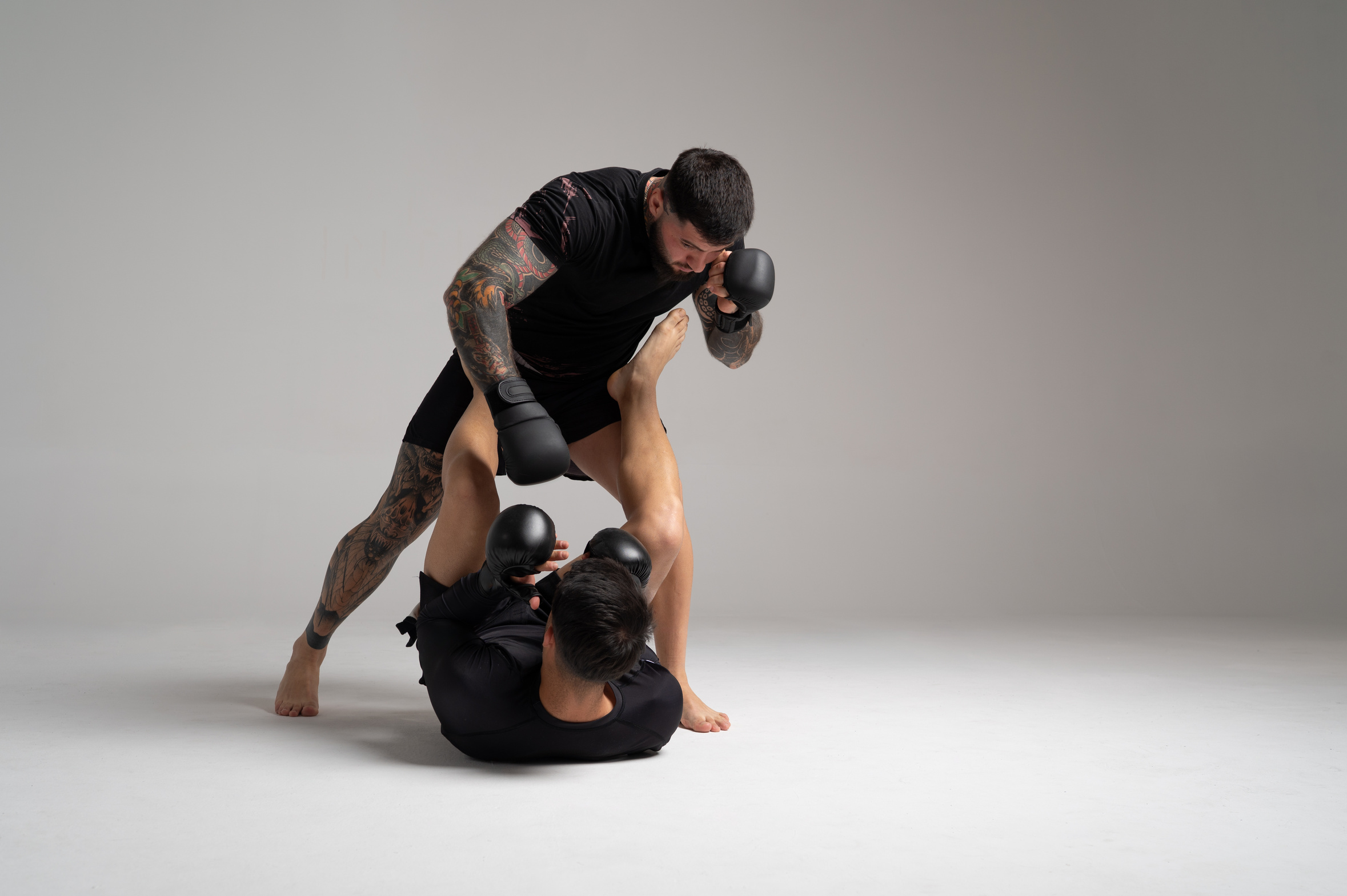
Picture a fighter who looks perfect in training. Every pad round is crisp, every drilled combination lands exactly where it's supposed to. Then the cage door closes and the perfection disappears - poor footwork that never appeared in the gym, punches thrown with an urgency nobody rehearsed. The gym taught one thing. The fight asked for another. Most coaches shrug and call it nerves, or experience, or the gap between practice and performance that everyone accepts but nobody explains. Adam Singer built his entire coaching career around refusing to accept it.
Adam has coached mixed martial arts for close to thirty years at SBG Athens, the gym he runs with his brother Rory. By day he's a biochemical engineer who develops vaccines for animals - a background, he says, that shaped how he looks at coaching. In our latest podcast, filling in for Keith Davids, Marco Perazzo joins Ian Renshaw to talk with Adam about the philosophy he built from the ground up, in a sport that had no coaching manuals to hand him one.
Aliveness Is Binary, Not a Dial
Adam's central idea came from a mentor, Matt Thornton, and a simple test: is the training alive, or isn't it? Not "how alive" - alive or not. The moment a coach asks a student to modify their resistance, to go easier, to pull a strike, the exercise has crossed into something else. It might still be useful. It just isn't sparring anymore, and Adam doesn't pretend otherwise.
Adam's reasoning here is scientific. Fighters hear plenty of claims about what works. Few of those claims can be tested until there's an opponent in front of them, trying to land a punch.
"The only thing we know for real is what we test." - Adam Singer
For Adam, sparring is the closest thing in the gym to a real fight: a live opponent, changing distances, decisions made under pressure. Everything else is there to prepare fighters for it. If a drill doesn't carry over into sparring, he'd rather cut it, even a popular one.
Constrain the Room, Not the Person
Categorising a task as alive or not creates an obvious problem: how do you protect people without asking them to hold back? Adam's answer is to redesign the environment instead of the athlete. Start partners closer together if less force is needed. Remove a target. Build a boundary condition. The fighters stay alive to each other; the coach does the limiting through the practice design, not through an instruction to go easy.
Where that principle hardens into policy is head contact, and Adam is very clear about why. He points to Julio Cesar Chavez's 1990 fight against Meldrick Taylor, an Olympic gold medalist beaten so completely across twelve rounds that he was never the same fighter again - at twenty-six, in what should have been his prime.
"I knew that this was the part of boxing that I didn't want to know about, I didn't want to see, I didn't want to cheer for." - Adam Singer
His fighters do most of their sparring without ever taking a hard shot to the head, building trust and interpersonal distance long before speed and intensity ramp up. The variability is real. The damage isn't.
The Calf Kick: Hard to See Coming
If aliveness explains what Adam won't compromise on, the calf kick shows how hard some information is to pick up, even with plenty of exposure. The strike has only been common in MMA for the last five to seven years, and Adam thinks it's now probably the most-thrown kick in an MMA gym. Everyone has thrown it and everyone has defended it in training. Yet at every UFC event, he says, you still see fighters kicked hard in the calf, again and again, without defending it.
Adam puts this down to the kick itself. It's thrown from a range and at a height that makes it hard to pick up and hard to organise against, however often a fighter has seen it in training. Some information in a fight is harder to attune to than others. It's also why he's not a fan of watching hours of opponent film. At the lower levels, fighters change from fight to fight, so studying old footage means preparing for something that's already happened. He'd rather build skill that's ready for whatever the other fighter does.

Everyone throws it and defends it in training. In a fight, it is still hard to pick up.
Belts Don't Mean What They Used To
Late in the conversation, the discussion turns to something that sounds unrelated but isn't: Brazilian Jiu-Jitsu's belt system has no written criteria, so a blue belt in one gym can mean something different from a blue belt in another. Adam's view is that black belt has become close to meaningless as a signpost of ability - some black belts are world-class athletes, others couldn't compete with a serious blue belt. Without a common test, there's no fair way to compare one belt with another.

With no written criteria, the same colour belt can mean different things in different gyms.
"There is no written criteria. And so every gym has its own criteria." - Adam Singer
It's the same problem Adam sees in the cage. A belt is a claim about skill, and without a common test, nobody can check it.
That's the thread underneath everything Adam described: a claim only means something once somebody has actually tested it, whether that claim is "this drill transfers" or "this belt represents skill." Aliveness is Adam's way of forcing the test to happen every single session, instead of letting a comfortable story stand in for one.
Part Two continues in next week's Guest Podcast (October Week Two) - Adam's actual session design principles, and the constrain-to-afford versus constrain-to-potentiate discussion running through the Constraints Collective this year.
This episode is available now on Buzzsprout and all major podcast platforms. Listen at buzzsprout.com/2354827 [link this text to https://www.buzzsprout.com/2354827]
Ian Renshaw & Marco Perazzo (standing in for Keith Davids), The Constraints Collective